Our CEO's Call to Action
Across local government, there is clear momentum behind Technology Enabled Care. Councils recognise its potential to improve outcomes, support independence, reduce avoidable demand and help people remain safely at home for longer.
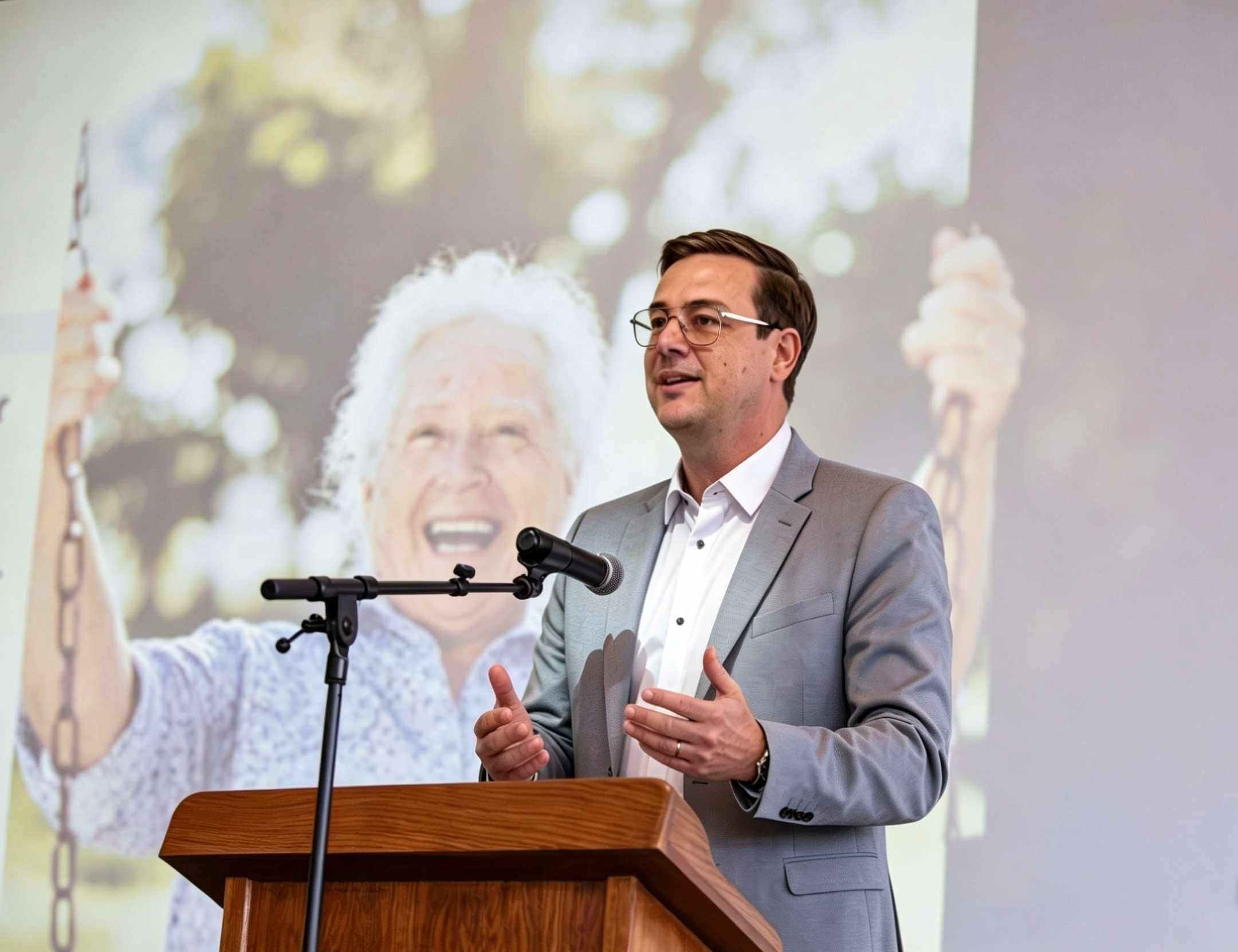
Turning Care Technology Ambition into Deliverable Adult Social Care Reform
Enquire Today
The question is no longer whether TEC works. The evidence, policy direction and local practice are aligned. The challenge is how councils move beyond pilots, point solutions and traditional telecare contracts to mainstream, outcomes-led operating models that deliver measurable value.
That transition is difficult because TEC is expected to support prevention, discharge support and long-term savings, while competing for funding within stretched statutory budgets. As a result, the services with the greatest potential to reduce future demand often struggle to secure the investment needed to scale.
For Livity Life, this is the cycle that must be broken. TEC is not an optional add-on or a replacement for analogue telecare. It should be recognised as a strategic enabler of adult social care reform: supporting earlier intervention, safer discharge, reduced escalation of need, better use of workforce capacity and clearer benefits realisation. This aligns with the national direction of travel.
Government guidance recognises that technology can transform adult social care when embedded into care and support, supported by strong leadership, safe practice, workforce enablement and empowered people.
The Better Care Fund also reinforces the importance of prevention, reablement, and reducing demand for long-term residential care.
The strongest local authority partnerships will therefore be those that move beyond a narrow supplier relationship.
Councils need partners who can help design the strategy, mobilise safely, integrate with local pathways, provide actionable data, evidence impact, and share accountability for outcomes.
The Livity Life Approach
Our view is that the best TEC models for local authorities should be:


Inviting local authorities to tackle today's challenges...
...and redesign tomorrow's services. We're helping local authorities tackle the wider transformation challenge: developing care technology strategies, building invest-to-save cases, defining measurable outcomes, embedding new referral pathways and tracking benefits in a way that gives commissioners, finance teams and senior leaders confidence. Making care technology a mainstream part of adult social care reform requires partnership models that match the scale of the challenge: strategic, transparent, evidence-led and focused on outcomes that matter to people and councils alike.

Contact Livity Life
Get in touch to find out how we can help you today


Email us on contactus@livitylife.co.uk

Call us on 03301 741414