
Fighting Dementia with Technology

When people think about care technology, they often imagine complicated systems or expensive equipment. In reality, some of the most effective solutions can be surprisingly simple.
Colleagues James Lampert, Head of Transformation, and Terry Sloan, Service Centre Manager for Liverpool, recently joined Leon and Fran on the Fighting Dementia podcast to discuss how Technology Enabled Care (TEC) is helping people live safely and independently at home.
The Fighting Dementia Podcast was created by Fran and Tom who live with dementia, and is a community for those impacted in the early to middle stages of dementia, offering expert insights, personal stories and support for those diagnosed, carers and families who want to learn more.
Combining James's three decades of occupational therapy experience with Terry's hands-on experience managing and delivering services in Liverpool, they shared practical examples of how the right technology, introduced at the right time, can make a genuine difference.
Fran's Story
Before filming begun, James and Terry spent time chatting over coffee with podcast host Fran, hearing first-hand about her experiences of living with dementia and the opportunities that have come from sharing her journey with others.
Rather than letting dementia define what she can and cannot do, Fran spoke about how it has opened doors to new experiences, conversations and activities that she may never otherwise have explored. Her positivity and determination left a lasting impression on Terry and James.
James reflected:
"I really enjoyed talking about everyday technology that can make life easier for people living with dementia. I hope families find these ideas useful in supporting their loved ones."
The conversation was a reminder that, behind the technology, lies what's most important: helping people continue to live the lives they want, maintaining their independence, confidence and connections to the people and communities that matter most.
From Pendants to Prevention
Personal alarm pendants have long been associated with independent living. However, as James explained during the podcast, one of the biggest challenges is that people don't always wear them. It's a familiar scenario: a pendant is left on a bedside table, hanging from a chair, or sitting on a kitchen worktop when it's needed most.
That's why today's technology is increasingly focused on solutions that don't rely on people remembering to wear a device.

Modern TEC can monitor wellbeing discreetly and proactively through technologies such as falls detection and motion sensors, automated reminders and radar-based monitoring systems. These solutions work quietly in the background, helping people remain independent while providing reassurance to their families and carers.

"A prompt like that doesn't take anything away from you. It gives you something."
The podcast also gave listeners an insight into what happens behind the scenes when an alert is generated.
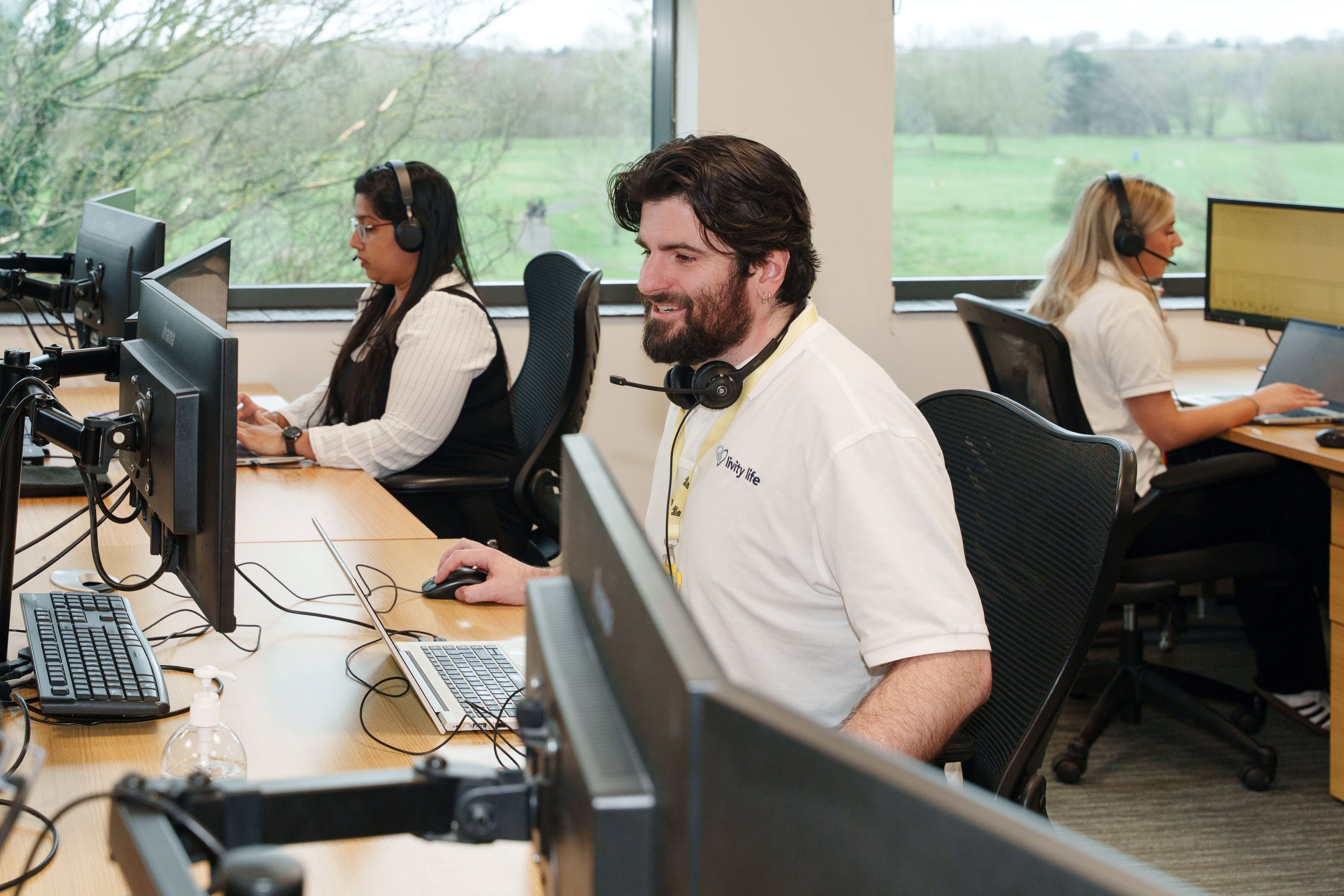
Whether a falls detector identifies a potential incident or a door sensor is activated, established monitoring and response processes ensure any concerns are addressed quickly and appropriately. Depending on an individual's circumstances, our compassionate call handlers direct alerts to family members, carers, monitoring services or emergency responders.
Small Solutions, Big Impact
While the technology is important, the response behind it is what turns a notification into meaningful support.
One of the strongest messages from the discussion was that care technology should not be viewed as a last resort.
Too often, support is only considered after a crisis such as a fall, hospital admission or a significant deterioration in health. By introducing technology earlier, people have time to become familiar with it, build confidence and benefit from preventative support before risks escalate.
Our website contains lots of case studies that show how technology has helped individuals maintain their independence for longer and give families greater peace of mind.
Not every technology solution requires specialist equipment or a large budget. During the episode, James and Terry discussed simple, low-cost options that can support everyday independence, from smartphone reminders and voice assistants through to affordable motion sensors that provide helpful prompts around the home.
A sensor by the front door, for example, might remind someone to lock up before leaving. A calendar reminder could help maintain daily routines. These small interventions can have a significant impact on confidence and wellbeing, helping change people's lives.


